

BUSINESS HOURS
Mon - Sun: 6am to 6pm
24/7 Emergency Work
Mon - Sun: 6am to 6pm
24/7 Emergency Work
SERVICE AREA
40km around Logan QLD
40km around Logan QLD
When a neighbour’s tree starts hanging over a property, it can quickly move from a minor annoyance to a genuine concern. Overhanging branches may block natural light, drop leaves into gutters, scrape against roofs or create risks to fences, vehicles and outdoor areas during storms. Roots can also become an issue when they affect paving, driveways, drainage or nearby structures.
Batchelor & Sons Tree Services helps Logan property owners understand when overhanging trees can be managed through pruning, when council rules may apply and when professional tree removal may need to be considered. This article explains how to assess the problem, speak with neighbours, check local requirements and decide when expert advice is needed so tree concerns can be handled safely, fairly and without unnecessary disputes.
Before contacting the neighbour or arranging any work, it is important to be clear about what is actually wrong and what risk it presents. A tree simply hanging over the boundary is not always dangerous, unlawful or suitable for removal. The real concern may be blocked gutters, roof contact, falling branches, root damage, loss of light or a genuine safety issue caused by a declining tree.
Taking time to identify the exact problem helps determine the right response. It also makes it easier to explain the concern clearly to the neighbour, a qualified arborist, the local council or an insurer if damage has already occurred.
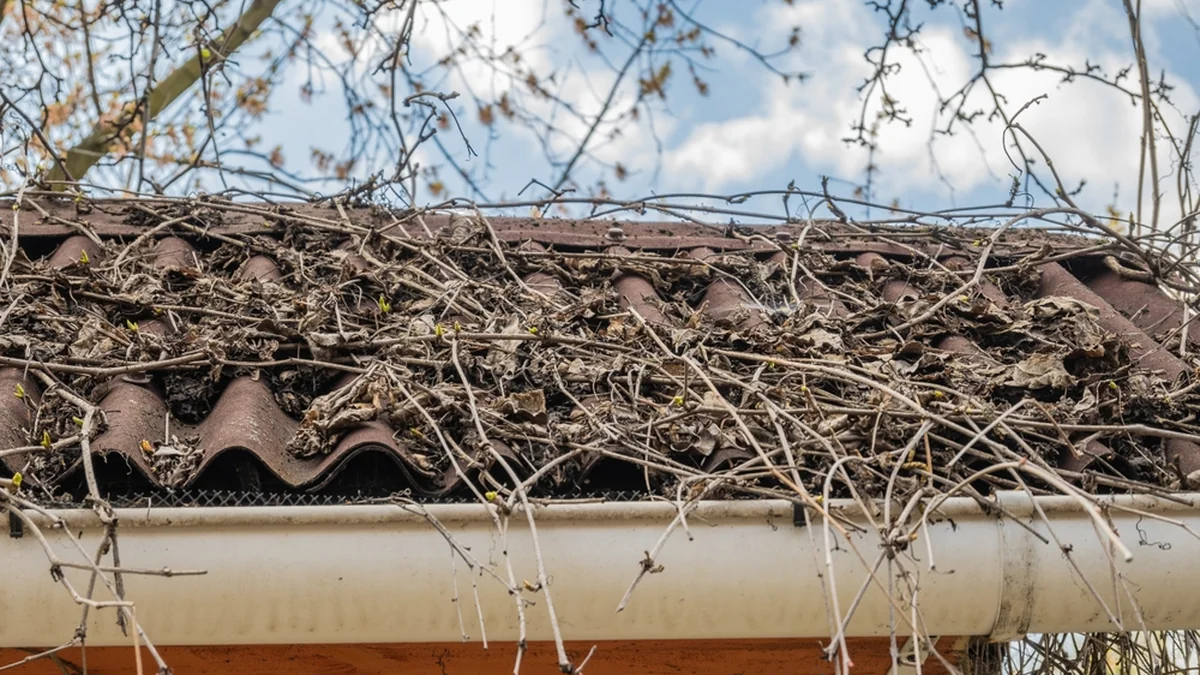
Start by looking at what the tree is impacting rather than focusing only on the fact that branches cross the boundary. Common problems include:
It helps to ask practical questions. Is anything already damaged, or is the concern mainly about possible future damage? Is the issue seasonal, such as extra leaf drop at certain times of year? Is access to part of the property being affected? These details help separate minor inconvenience from a problem that needs action.
A healthy tree that slightly overhangs a fence is very different from a tree with signs of decline or structural weakness. Visible warning signs may include:
If any of these signs are present, especially near areas where people walk, park or gather, the situation may need prompt professional assessment. Make a note of where the risk is located, such as above a bedroom, roofline, parking space or children’s play area, as this helps an arborist assess urgency and recommend suitable work.
Not every irritation creates a serious property issue. Minor leaf drop, general shading and occasional debris are common with neighbouring trees and are often best managed through routine pruning or a practical discussion with the neighbour.
More serious concerns include branches striking the roof, roots damaging hard surfaces, large limbs at risk of failure or repeated storm-related damage. Clarifying the nature, scale and location of the problem keeps the response proportionate. Light pruning may be enough for gutter issues, while root-related structural concerns or unsafe limbs may require a more detailed arborist inspection.
When a neighbour’s branches grow over the fence, the first question is usually what can legally be cut back. In general, property owners may have rights to manage overhanging branches on their side of the boundary, but those rights still have limits. The tree usually remains the property of the landowner where the trunk is growing.
Handled carefully, overhanging growth can often be pruned without conflict. Handled poorly, the same issue can lead to disputes, claims of damage or problems with council compliance. Before cutting anything, it is important to understand the boundary, the health of the tree and whether local protections apply.
Pruning should generally be limited to the parts of the tree that overhang the property. It should not involve entering the neighbour’s property without permission, cutting beyond the boundary or carrying out work that could seriously damage or destabilise the tree.
The trunk determines ownership in most situations. If the base of the trunk is wholly on the neighbour’s land, the tree belongs to that neighbour even if large parts of the canopy extend over the fence. If the trunk is directly on the boundary, ownership and decision-making may be more complicated, so it is worth getting advice before arranging major work.
Even when branches are on your side, pruning still needs to be reasonable and carried out properly. Heavy, unbalanced or unskilled cutting can harm the tree, increase future failure risk or create a new safety issue.

Before pruning near a fence, retaining wall or hedge line, the actual boundary position should be reasonably clear. Fences are not always perfectly aligned with property boundaries, especially on older properties or sites where fences have been replaced over time.
If the proposed work is minor, a practical discussion with the neighbour may be enough. If the work is significant or there is already disagreement, it may be worth checking property records or arranging advice from a registered surveyor.
It is also useful to take photographs before any pruning starts. Clear photos of the tree, the boundary area and any damage can help prevent confusion later and provide a record of why the work was considered necessary.
Cutting small, low branches may seem simple, but overhanging tree work can become dangerous quickly. Branches over roofs, near powerlines, above driveways or close to structures should not be treated as a basic DIY job.
Ladders, chainsaws, unstable limbs and hidden tension in branches can create serious injury risks. Where the branch is large, high, damaged, near electrical infrastructure or difficult to access safely, a qualified tree professional should assess and carry out the work.
Before cutting back or removing a tree, Logan property owners should check whether council rules or vegetation protections apply. Some trees and vegetation may be protected because of their size, species, location, environmental value or position within a mapped area.
These rules can apply even when the tree is on private land and even when branches are hanging over a boundary. Checking requirements before work starts helps avoid fines, replacement orders and disputes with both the neighbour and council.
Logan City Council may regulate vegetation clearing in certain circumstances, particularly where land is affected by environmental overlays, waterway corridors, biodiversity areas or other planning controls. Native vegetation, significant trees and trees in sensitive locations may need special consideration before pruning or removal.
Before arranging work, it is worth confirming:
Even if the work seems straightforward, protected vegetation rules can change what is allowed. When in doubt, checking first is safer than assuming the tree can be cut back freely.
Council approval may be required for more substantial tree work, especially where the pruning affects the structure, stability or long-term health of the tree. Removal is usually treated more seriously than minor pruning and may require stronger evidence, particularly if the tree is healthy or environmentally significant.
Approval may be more likely to be required when:
In urgent safety situations, such as a cracked limb at risk of falling, emergency work may be justified. However, evidence is still important. Photos, arborist advice and records of the hazard can help show why urgent action was needed.
The first and often most effective step with an overhanging tree is a calm conversation with the neighbour who owns it. Clear communication can prevent disputes, clarify expectations and often lead to a quicker, cheaper and more practical solution than formal complaints.
The key is to raise the issue early and focus on the specific problem. Rather than blaming the neighbour for the tree, explain what is happening and why it is becoming a concern. This keeps the discussion centred on safety, property maintenance and practical outcomes.
Avoid starting the conversation while frustrated after a storm, fresh damage or a blocked gutter. A neutral time usually leads to a better response. A face-to-face conversation is often best because tone and body language reduce the chance of misunderstanding.
If a direct conversation feels difficult, a short polite note can also work. Keep it simple. Mention the concern, explain what the tree is affecting and ask whether they are open to discussing a solution.
Overhanging branches often raise questions about who should pay for pruning. Rather than making firm legal claims in the first conversation, it is usually more productive to discuss fair options. This may include paying for pruning on your side, sharing the cost of work that benefits both properties or asking the neighbour to arrange maintenance if the tree is creating an obvious risk.
It can also help to talk about future maintenance. If the tree is likely to keep growing over the boundary, a one-off trim may not solve the issue for long. Agreeing on periodic inspections or pruning can prevent the same problem returning and reduce the likelihood of future disputes.
Keep a simple record of what was discussed, especially if the issue involves damage, safety risks or ongoing concerns. Dates, photos and written notes can be useful if formal steps become necessary later.
Before arranging any work, assess how difficult and risky the situation is. A calm visual check of safety hazards, access limitations and existing damage will help determine whether the issue can be monitored, managed through pruning or assessed urgently by a professional.
This step also helps avoid unnecessary disputes. If the concern is based on visible damage or a clear safety risk, it is easier to explain why action is needed.
Look for signs that branches may fail, strike a structure or create danger during wind and storms. Branches that move heavily in light wind, rub against each other, scrape roofs or hang over areas where people regularly walk or park should be treated seriously.
If a branch appears unstable or is positioned above a driveway, footpath, roof, outdoor seating area or play space, do not attempt DIY pruning. Large limbs can behave unpredictably when cut, and the risk increases when ladders, chainsaws or restricted access are involved.
Where branches are near powerlines, the situation becomes even more serious. Do not cut, pull or move branches touching or close to electrical infrastructure. This should be reported to the relevant electricity network operator or handled by a properly authorised contractor.
Even when the problem is obvious, safe access may not be simple. Narrow side paths, sloping ground, pools, sheds, fences, gardens and limited vehicle access can all affect how tree work needs to be carried out.
A professional arborist can assess whether the work can be safely completed from the ground, by climbing, using ropes or with specialist equipment. This is especially important when branches overhang roofs, neighbouring structures or areas where falling timber could cause damage.
If the tree has already caused damage, take clear photos before any repairs are made. Photograph the damage close up and from further back so the location and context are clear. Keep copies of repair invoices, inspection notes and any communication with the neighbour or insurer.
Useful records may include:
This evidence helps show whether the issue is ongoing, worsening or linked to specific weather events.
If the same branches keep snapping, scraping the roof, blocking gutters or dropping heavy debris, a one-off trim may not be enough. Persistent issues may suggest the tree is poorly maintained, structurally weak or planted too close to the boundary for its mature size.
At this point, the focus should shift from a quick fix to a longer-term solution. That may involve regular pruning, a more detailed arborist report, council advice or, in some cases, an application through a formal dispute process.
Repeated problems are easier to resolve when there is clear evidence. Each time the tree causes damage or creates a safety concern, record what happened and when.
A simple log can include:
This record shows whether the issue is isolated or part of an ongoing pattern. It can also help an arborist, insurer, council officer or dispute resolution body understand the seriousness of the problem.
If reasonable conversations do not resolve the issue and the tree continues to cause damage or safety concerns, formal advice may be needed. Depending on the situation, this could involve council guidance, an arborist report, legal advice or an application to the appropriate Queensland dispute resolution pathway.
Formal steps are usually stronger when supported by clear evidence. Photos, written records, arborist recommendations and repair invoices help show that the concern is more than a minor inconvenience.
Tree removal in Logan is generally considered a last resort where pruning, maintenance or other management options are not enough. A qualified arborist can assess whether removal is necessary or whether a safer, less disruptive solution is available.
A professional arborist can help determine whether an overhanging tree is healthy, hazardous, protected or suitable for pruning. This is especially important when the tree is large, close to buildings, near powerlines, affecting structures or involved in a neighbour dispute.
An arborist can provide practical advice on:
Professional advice also gives both neighbours a clearer basis for decision-making. Instead of relying on assumptions, the discussion can be guided by the condition of the tree, the level of risk and the most appropriate management option.
Dealing with a neighbour’s overhanging tree requires a balanced approach. Safety, property rights, council requirements and neighbour relationships all need to be considered before any pruning or removal takes place. Rushing into tree work without checking the boundary, tree condition or local rules can create unnecessary conflict and potential compliance issues.
A measured approach usually works best. Identify the actual problem, document any damage, speak with the neighbour, check council requirements and seek professional advice when the tree presents safety, access or structural concerns. With clear communication and the right guidance, most overhanging tree issues can be managed before they turn into costly property damage or a serious dispute.