

BUSINESS HOURS
Mon - Sun: 6am to 6pm
24/7 Emergency Work
Mon - Sun: 6am to 6pm
24/7 Emergency Work
SERVICE AREA
40km around Logan QLD
40km around Logan QLD
Trees add beauty, shade and value to residential properties, but they also require informed care to remain safe and healthy. For homeowners deciding whether pruning is sufficient or full removal is necessary, recognising the warning signs early is essential, particularly when considering services such as tree lopping in Logan. At Batchelor & Sons Tree Services, we help homeowners make confident decisions by assessing tree health, structural stability and potential risks before minor issues escalate into serious hazards.
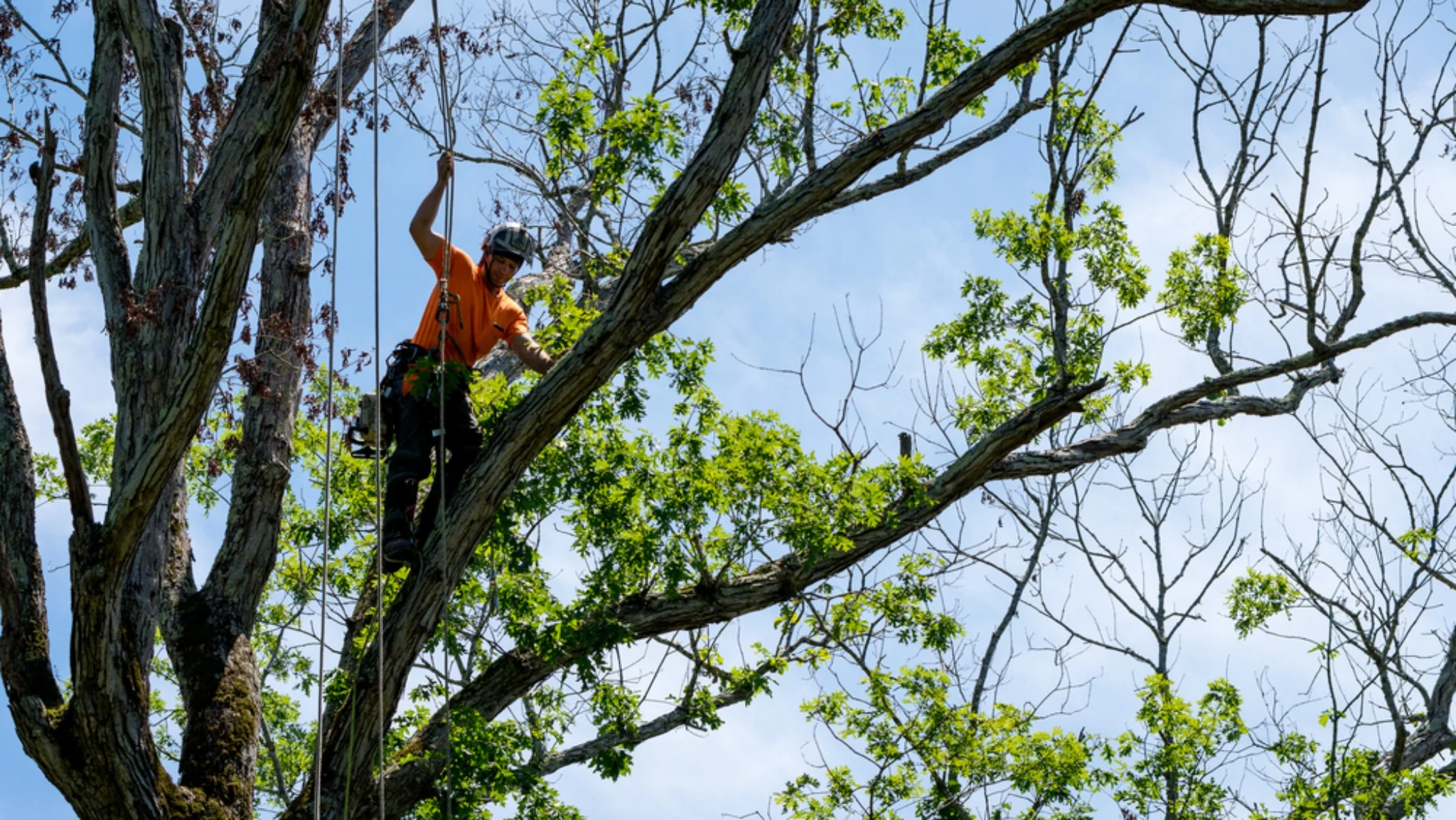
When a tree begins to look untidy, overgrown or slightly damaged, removal is not always the most appropriate solution. Many trees develop manageable issues that can be corrected through professional pruning, allowing them to remain safe, healthy and visually appealing for years to come.
Pruning is most effective when a tree’s core structure is sound, its root system is stable and any problems are localised rather than widespread. In these cases, targeted trimming addresses safety and maintenance concerns without the need for unnecessary removal.
Over time, trees respond to their environment by growing towards light, away from obstacles or in response to prevailing winds. Without routine maintenance, this growth can become uneven, leading to an unbalanced canopy that affects both appearance and structural stability. Left unmanaged, this imbalance increases the risk of branch failure, particularly during strong winds or storms. Here are some common signs:
Storms can cause visible damage to trees, often leaving homeowners unsure whether the tree has become unsafe. While fallen or broken branches can look severe, not all storm damage affects a tree’s long-term viability. In many cases, damage is limited to smaller limbs or outer growth, which can be safely removed without impacting the tree’s structural integrity. Pruning is usually sufficient when:
As trees mature, it’s common for branches to gradually extend into surrounding spaces, including roofs, gutters and access areas. While this doesn’t automatically mean the tree needs to be removed, unmanaged encroachment can lead to ongoing maintenance issues and potential property damage if left unaddressed. Targeted pruning allows homeowners to manage space conflicts effectively, preserving the tree while protecting buildings and access areas from unnecessary wear and damage. Pruning helps by:
Early signs of pests or disease do not automatically mean a tree is beyond saving. In many cases, problems are confined to specific branches or sections of the canopy and can be controlled through timely intervention. Selective pruning removes affected areas, improves airflow and reduces stress on the tree, often allowing it to recover fully with appropriate follow-up care. Warning signs may include:
Proper pruning is not only corrective but also preventative. When done correctly, it guides growth, encourages stronger branch attachments and reduces future risks, particularly for trees near homes, fences and high-use areas. Professional pruning helps by:
While pruning is often an effective way to manage tree-related issues, it cannot resolve serious safety or structural problems. Some trees develop conditions that go beyond surface growth or minor damage, creating risks that trimming alone cannot correct. In these cases, removal becomes the most responsible option to protect people, property and surrounding landscapes.
Recognising these warning signs early allows homeowners to act before a tree fails unexpectedly, particularly during storms or periods of heavy rain. The following indicators suggest that removal is the safest long-term solution.
Structural integrity is critical to a tree’s ability to remain upright and stable. When decay develops within the trunk or main structural limbs, the tree’s strength is reduced, even if the exterior still appears healthy. Internal decay often progresses silently, making it one of the most dangerous and deceptive tree issues. Once a tree’s internal structure is compromised, pruning cannot restore its strength. Removal becomes necessary to prevent sudden collapse, particularly during high winds or storms. Beware of these warning signs:
Trees depend on a stable root system to maintain balance and resist external forces such as wind and saturated soil. When a tree begins to lean noticeably or shows signs of root movement, it often indicates anchoring failure below ground. This is concerning if the change has occurred recently or continues to worsen. Different signs point to compromised root stability, making the tree unpredictable and dangerous. Even aggressive pruning cannot correct this type of structural failure. High-risk indicators are:
Some trees were planted without full consideration of their mature size or root spread. As these trees grow, they can begin to interfere with nearby structures, underground services and neighbouring properties. While pruning may temporarily manage branch growth, it cannot address damage caused by expanding root systems. Removal may be required when:
Severe storms can cause extensive damage that permanently compromises a tree’s structure. When major limbs are torn away or the trunk itself is damaged, the remaining structure may no longer be capable of supporting its own weight safely. Prompt removal reduces the risk of further collapse, secondary damage or injury following the initial storm event. Removal is often the safest option when:
In some cases, tree removal is not simply a recommendation but a requirement under local council guidelines or safety regulations. Trees that pose a risk to public safety, infrastructure or neighbouring properties may be subject to mandatory removal following professional assessment. Engaging professional tree services ensures removals are carried out safely, legally and with minimal disruption to surrounding properties. Removal may be required if:
Deciding whether to prune or remove a tree is not always straightforward. It requires balancing safety, tree health, property protection and long-term planning. Professional assessment helps homeowners avoid unnecessary removals while ensuring genuinely hazardous trees are addressed before they cause harm.
If you’re unsure which option is right for your property, a qualified arborist can provide clear guidance. At Batchelor & Sons Tree Services, we assess tree health, structural stability and site conditions to recommend the safest and most practical solution for your home. Contact our team today to arrange a professional tree assessment and receive clear, honest advice tailored to your property.