

BUSINESS HOURS
Mon - Sun: 6am to 6pm
24/7 Emergency Work
Mon - Sun: 6am to 6pm
24/7 Emergency Work
SERVICE AREA
40km around Logan QLD
40km around Logan QLD
A tree can fall with little apparent warning, but in many cases, the underlying problems have been developing for years. Hidden decay, structural weakness and environmental stress can all undermine a tree’s stability long before obvious signs appear. Batchelor & Sons Tree Services explains the common indicators that a tree may be unsafe, including defects in the trunk, changes in the canopy, problems around the roots and soil, and the effects of storms or nearby construction.
Understanding these warning signs can help reduce the risk of unexpected tree failure and the damage it can cause to homes, vehicles, fences and outdoor spaces. This article also outlines when it is sensible to seek help from qualified tree loppers in Logan, so it is easier to determine whether a tree may need closer assessment, pruning or removal.
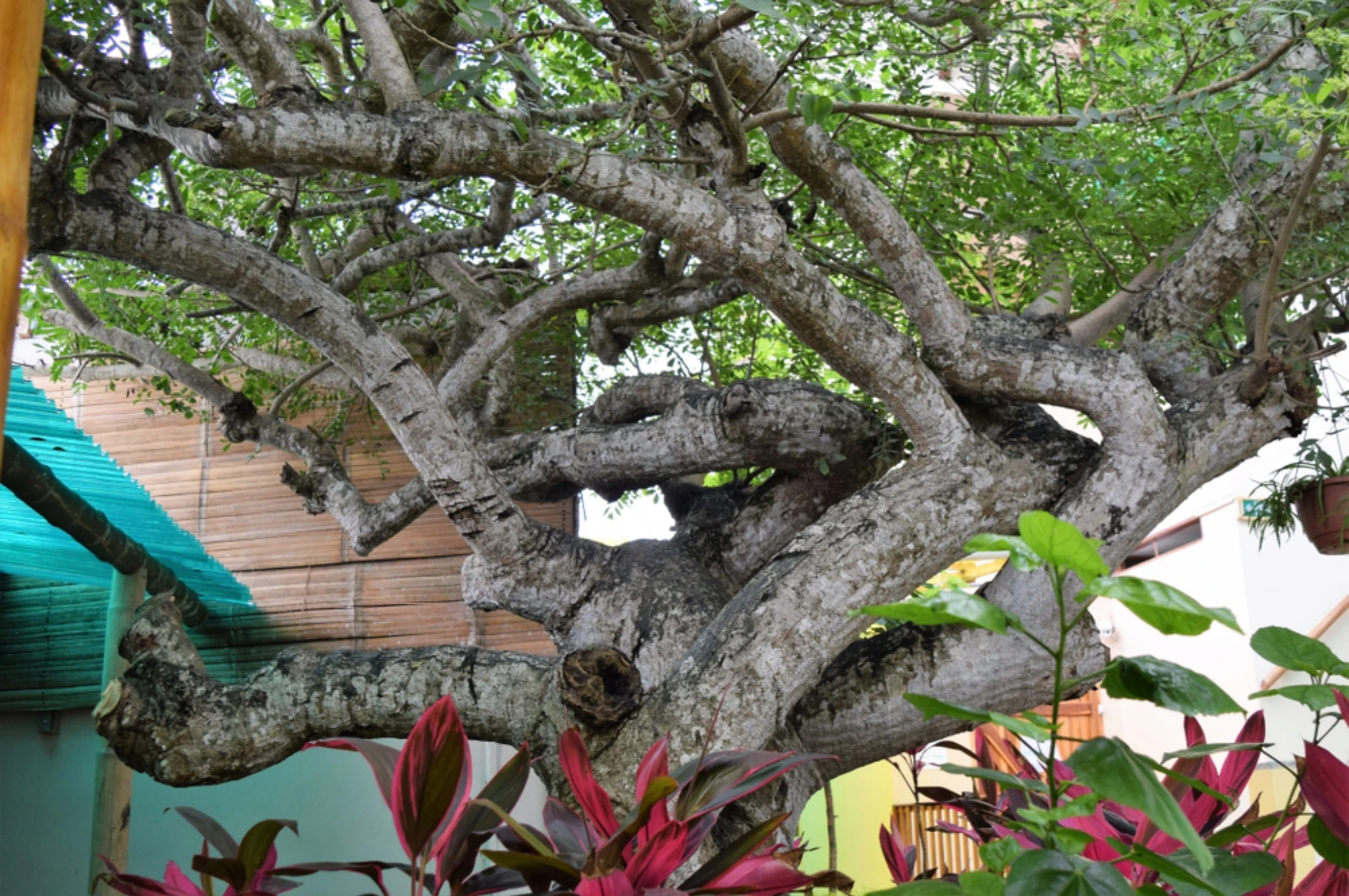
Trees can appear solid and healthy yet still fail unexpectedly. What often seems like a collapse without warning is usually the result of hidden problems inside the trunk or below ground in the root system. Weather events may act as the final trigger, but they are often not the only cause.
Internal decay, root damage and structural weakness can all develop out of sight over many years. This is why a tree may come down suddenly even when there are few obvious signs from a distance, and why professional inspection is sometimes needed to identify the true level of risk.
A tree can be badly decayed on the inside while the outer bark still looks mostly normal. Fungi often begin breaking down timber inside the trunk or major limbs after entering through wounds, pruning cuts or old storm damage. As decay progresses, the wood that gives the tree its strength becomes hollowed or softened.
From the ground, the tree may still look healthy and full of foliage. The only subtle clues may be mushrooms or bracket fungi on the bark, seams or cracks, or areas that sound hollow when tapped. Without close inspection or specialised tools, internal decay can go unnoticed until strong wind or saturated conditions place too much stress on the weakened structure.
Root issues are among the most common causes of sudden tree failure and also among the hardest for property owners to detect. Many important roots sit just below the surface or spread well beyond the visible canopy, so damage is often overlooked.
Roots may be cut or crushed during construction, driveway installation or utility work. Repeated soil compaction from vehicles or heavy foot traffic can restrict oxygen and water movement through the soil, while poor drainage may lead to root suffocation and rot. In many cases, the tree may still leaf out normally for several seasons even while its anchoring roots continue to deteriorate.
Because most of this damage occurs underground, the warning signs are often limited. A tree with a compromised root system may lean slightly, develop sparse foliage or show stress earlier than nearby trees, yet still appear generally sound. Under strong wind or after prolonged rain, the weakened root plate may fail and the entire tree can topple from the base.
Structural defects are weaknesses in the way a tree grows and supports its own weight. Co-dominant stems with tight V-shaped unions, heavy limbs extending far from the trunk and included bark between branches can all create points where splitting is more likely. Over time, the canopy may add more weight than the structure can safely support.
These defects often look like normal growth to an untrained eye. A tree may remain standing for many years without incident until a storm, saturated soil or strong gusts place extra pressure on the canopy. The failure may then appear sudden, even though the structural weakness has been present for a long time.
An unsafe tree often shows warning signs well before it fails. Recognising these changes early can help reduce the risk of property damage or injury. The most useful approach is to look at the whole tree, from the canopy and trunk down to the base and surrounding soil.
Some problems suggest an immediate hazard, such as a sudden lean or a major crack in the trunk. Others develop more gradually, including internal decay, thinning foliage and progressive dieback. A tree showing several warning signs at once should be assessed promptly by a qualified arborist.
The trunk provides the tree’s main support, so visible defects here are among the most serious concerns.
Large vertical cracks, horizontal splits or deep seams in the trunk or major branches can indicate that the wood fibres are under significant stress and may separate. If a crack extends well into the trunk or appears to widen over time, the risk of failure increases.
Soft, crumbly wood, cavities or large hollows can point to advanced internal decay. Even when the outer bark still appears intact, there may not be enough sound timber left to properly support the crown, particularly during high winds.
Mushrooms or fungal brackets growing on the trunk or at the base can also suggest internal rot. Loose bark, missing bark or sunken areas may indicate dead sections that are no longer functioning properly.
Major limbs with included bark, where two stems grow tightly together in a narrow V-shaped union, are more prone to splitting. Large dead branches high in the canopy are another hazard, as they may fall without much warning.
The roots anchor the tree, so problems at the base or in the surrounding soil can make even a healthy-looking tree unstable.
A tree that suddenly leans, or whose lean has noticeably increased over a short period, should be treated as a serious concern. This is especially true if the soil on the opposite side has lifted, cracked or formed visible gaps. Exposed roots, mounded soil or movement around the base can all suggest root plate instability.
Cracking or heaving in nearby driveways, paths or retaining walls may also indicate root stress or root failure. If roots have been cut during trenching, construction or paving work, the tree may lose structural support over time.
Fungal growth around the root flare, soft or decayed timber at the base and signs of insect activity can all point to declining structural support below ground, where much of the damage is not easily visible.
The canopy often gives useful clues about the tree’s overall condition. Widespread dieback, where branch tips stop growing properly or sections of the crown begin to thin, may indicate declining health or internal weakness.
A tree that leafs out later than others of the same species, develops unusually small or discoloured leaves or drops foliage out of season may be under stress. Multiple dead or hanging branches, especially larger ones, increase the risk of unexpected limb failure.
An unbalanced canopy, with most of the weight carried on one side, places extra strain on the trunk and root system. Previous poor pruning, such as heavy topping, can also lead to weakly attached regrowth that is more likely to fail during storms.
Any combination of trunk defects, root problems and declining canopy health should be treated as a potential hazard and assessed without delay.
Many trees that fail unexpectedly were already showing problems that were easy to miss without a closer inspection. Internal decay, concealed root damage and structural faults within the canopy can all turn an otherwise healthy-looking tree into a serious risk during storms or periods of stress.
Understanding these less obvious issues helps explain why some failures seem to happen without warning and why professional assessment can be so important before a problem escalates.
A tree can still carry green leaves and appear vigorous while being extensively hollow or decayed inside. Fungi often enter through bark wounds, branch failures or old pruning cuts and gradually break down the inner wood that provides structural strength.
Possible signs include fungal growth on the trunk, long vertical cracks, soft timber around damaged areas and old wounds that never properly closed. A hollow sound when the trunk is gently tapped may also suggest internal cavities. While a hollow trunk does not always mean immediate failure, decay combined with poor structure, storm exposure or a heavy canopy can significantly increase the risk.
Root damage is one of the most serious hidden threats because it affects the tree’s stability at ground level. Roots may be severed or crushed during excavation, driveway work or trenching for utilities, reducing the tree’s ability to anchor properly even if the canopy still looks healthy.
The warning signs are often subtle. Soil movement near the base, exposed roots that appear damaged or decayed and a tree that has started leaning more over time can all suggest root problems. Girdling roots, which wrap tightly around the base of the trunk below the soil surface, can also weaken the tree over time by restricting growth and stability.
A tree with extensive hidden root damage may remain standing in calm conditions but fail quickly during strong wind or saturated soil conditions.
Some structural flaws inside the crown make a tree more likely to drop major limbs or split apart unexpectedly. Included bark is one of the most common examples. This occurs when two stems or large branches grow tightly together with bark trapped between them rather than forming a strong union of wood.
Other common defects include large lateral limbs attached at narrow angles, co-dominant stems with no clear central leader and long overextended branches carrying too much weight at the ends. Hairline cracks near branch unions, swelling at attachment points and unusual changes in branch angle can all suggest internal stress.
These weaknesses are often partly hidden by foliage, which is why they may not be recognised until a branch or stem fails.
A tree does not need to look as though it is about to collapse to present a real risk. Many serious problems develop gradually and are easy to miss in everyday observation. Knowing when to arrange a professional inspection can help prevent damage and reduce the chance of injury.
Assessment becomes especially important when a tree is close to homes, driveways, play areas, boundary fences or neighbouring properties. In these situations, even a moderate failure can have costly consequences.
A professional inspection is a sensible step after major weather events or changes around the tree’s base. This includes high winds, heavy rain, flooding or storm damage that has caused limbs to break or the tree to lean differently than before.
It is also important after nearby excavation, trenching, driveway works or utility installation that may have damaged roots. If cracks appear in the soil, roots become exposed or the tree suddenly shifts position, urgent assessment is recommended.
Some symptoms should prompt an inspection as soon as possible rather than being monitored over time. These include large dead branches over structures or walkways, deep cracks in the trunk or major limbs, bark that is bulging or separating, and fungal growth on the trunk or around the base.
Rapid canopy thinning, early leaf drop or one side of the tree declining while the rest appears healthy can also indicate deeper structural or biological issues. These changes may point to internal decay, root disease or stress that is not obvious from the ground.
Mature trees provide shade, habitat and visual value, but their size also increases the consequences if something goes wrong. A large tree should be professionally assessed if it overhangs a house, garage, driveway or frequently used outdoor area, stands near power lines or public access areas, or has a history of storm damage or poor pruning.
In some cases, relatively minor defects may justify proactive pruning, bracing or removal because of the location and level of risk involved. A qualified arborist can also recommend an inspection schedule so that changes are monitored before they become urgent.
A tree can fail with little obvious warning, but serious failures are often linked to problems that have been developing for a long time. Internal decay, root damage, poor structure, soil disturbance and storm stress can all weaken a tree well before major symptoms become obvious.
Regular visual checks, attention to changes in the trunk, canopy and base, and timely professional assessment all help reduce the risk of sudden tree failure. Taking tree safety seriously not only protects homes, vehicles and outdoor areas, but also helps preserve healthy trees by identifying which ones need management and which ones can remain safely in place.