

BUSINESS HOURS
Mon - Sun: 6am to 6pm
24/7 Emergency Work
Mon - Sun: 6am to 6pm
24/7 Emergency Work
SERVICE AREA
40km around Logan QLD
40km around Logan QLD
Tree removal in Logan is often allowed when a tree poses a safety risk or is damaged, but some situations still require extra checks or council approval before any work can legally begin. Knowing the rules matters because removing the wrong tree without approval can lead to council issues, delays and avoidable costs, even when your intentions are reasonable.
As Batchelor & Sons Tree Services, we've put together this easy-to-follow breakdown so you can understand when tree removal is usually straightforward, when it may require additional steps and what to check before booking a crew. By the end, you’ll know how to make the right call confidently, protect your property and avoid unnecessary headaches.
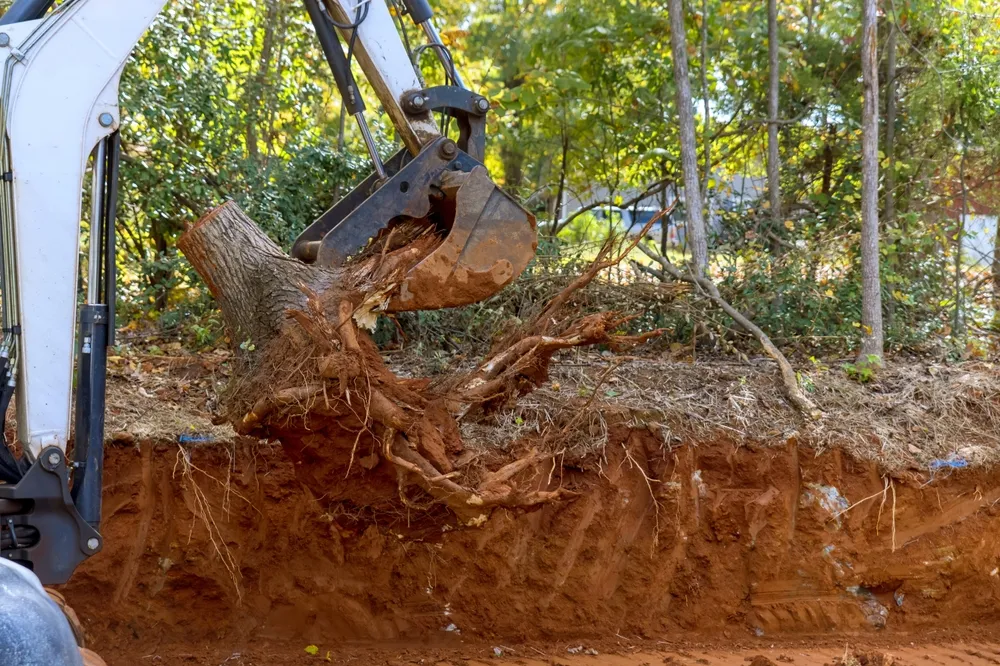
Most homeowners are relieved to learn that many tree removals in Logan are completely legitimate without lengthy approvals, especially when safety is involved. If a tree is clearly unsafe, storm-damaged, or poses an immediate risk, removal is typically considered reasonable and necessary rather than cosmetic.
This section will help you understand the most common scenarios where tree removal is generally straightforward. It also explains the signs to look for so you know when it’s worth acting quickly instead of delaying and risking injury or damage.
Trees don’t need to fall over to be dangerous. Many become hazardous gradually, and the warning signs are easy to miss until the risk becomes serious.
A tree may be structurally unsafe if you notice:
In most cases, removing a dead or failing tree is considered straightforward because it’s related to preventing harm. It’s also easier to justify because the damage is visible and measurable.
What to do before booking work: Take a few clear photos from different angles. If there’s ever a dispute or question later, the evidence makes it easier to show the tree was genuinely unsafe.
Storm events in Logan can turn a healthy-looking yard into a serious hazard overnight. Even if the tree is still standing, cracks and root movement after heavy rain can cause sudden failure days later.
Common storm-related tree issues include:
In emergency situations, safety is the priority. If a tree has already failed or is visibly unstable, removal is usually treated as urgent work.
A key homeowner tip: Try not to over-clear. Focus on removing only what is necessary to make the site safe. If the tree is near a creekline or drainage corridor, extra protections may apply.
Some trees are alive and healthy overall, but they still create a major risk due to their position or structural imbalance. This is common in suburban yards where trees were planted long before patios, pools, sheds and extensions were built.
Trees may pose immediate safety risks when:
If there is a realistic chance of injury or serious property damage, removal is typically viewed as risk prevention rather than unnecessary clearing.
Important safety note: If the tree is near power lines, do not attempt DIY cutting or trimming. Electrical line clearance needs specialised handling and should be treated as high-risk.
This is where a lot of Logan homeowners can accidentally step into a problem. Even if a tree is on private land, certain vegetation is protected due to environmental value, location and planning scheme overlays. In some areas, clearing can still require approvals or specific exemptions.
This section covers the most common situations where you may need to slow down and confirm what applies to your property before booking work. Doing a quick check first can save you from council complaints, neighbour disputes, or being asked to explain why the tree was removed.
Not all trees on private land are treated the same. In Logan, extra controls can apply depending on zoning and mapped overlays. This is more likely in acreage areas, bush-adjacent blocks, or places with preserved vegetation.
You may need to check approvals if:
Many homeowners assume council rules only apply to trees on reserves, but regulations can apply on residential land too depending on where the property sits and what the tree is.
Best practice before removal: If the tree is large and native, confirm whether approvals or exemptions apply before any cutting starts. A good provider can help you identify potential issues early.
Tree removal becomes more sensitive when the tree is near creeks, drains, or environmentally significant land. Vegetation near waterways is important because it stabilises soil, supports wildlife and prevents runoff.
Extra checks may apply if your tree is located:
Removing trees in these zones can be seen as clearing that affects water quality and habitat, even if the tree is technically inside your boundary.
Tips before you remove trees near waterways:
These areas are where homeowners most often get caught out, so it’s worth checking first.
Many Logan properties have trees close to the boundary line or near the verge, and these are some of the trickiest removals legally and socially. A tree can be dangerous and still require the right process, particularly if it is not fully under your ownership.
Trees on council land
Trees located on the verge or nature strip are typically managed by the council. Even if the tree is directly outside your home, it usually isn’t yours to remove.
Council land trees often include:
If you suspect a council tree is unsafe, the correct step is to request council inspection rather than organising a private removal.
Trees affecting shared boundaries
Boundary trees can lead to disputes quickly. The tree may:
What to do before booking boundary tree removal:
Early communication prevents complaints and delays, especially if the neighbour is affected by the work.
Tree removal can be simple, but it depends on what type of tree you’re removing and where it’s located. In Logan, removing dead trees, storm-damaged trees, or trees posing an immediate safety risk is often straightforward. However, protected vegetation, waterways, council land and shared boundary issues can require extra checks or approvals before work begins.
At Batchelor & Sons Tree Services, we always encourage homeowners to confirm the rules early so removal is handled safely, responsibly and without unnecessary stress. If you’re unsure whether your tree needs council approval or falls under extra protections, checking first helps you avoid delays, disputes and costly mistakes.