

BUSINESS HOURS
Mon - Sun: 6am to 6pm
24/7 Emergency Work
Mon - Sun: 6am to 6pm
24/7 Emergency Work
SERVICE AREA
40km around Logan QLD
40km around Logan QLD
Some trees appear simple to remove at first glance, yet quickly reveal hidden risks once properly assessed. For property owners arranging tree lopping in Logan, what looks like a simple removal can quickly become more complex once the tree is properly assessed. Trees that look manageable from the ground can conceal decay, awkward growth patterns or positioning that demands specialised techniques and careful planning.
Batchelor & Sons Tree Services discusses why certain tree removals are more difficult than they seem and what occurs behind the scenes when professionals assess and carry out the work. Different influences such as species, condition, location and safety requirements are examined to explain why experience and methodical planning are critical for safe and effective outcomes.
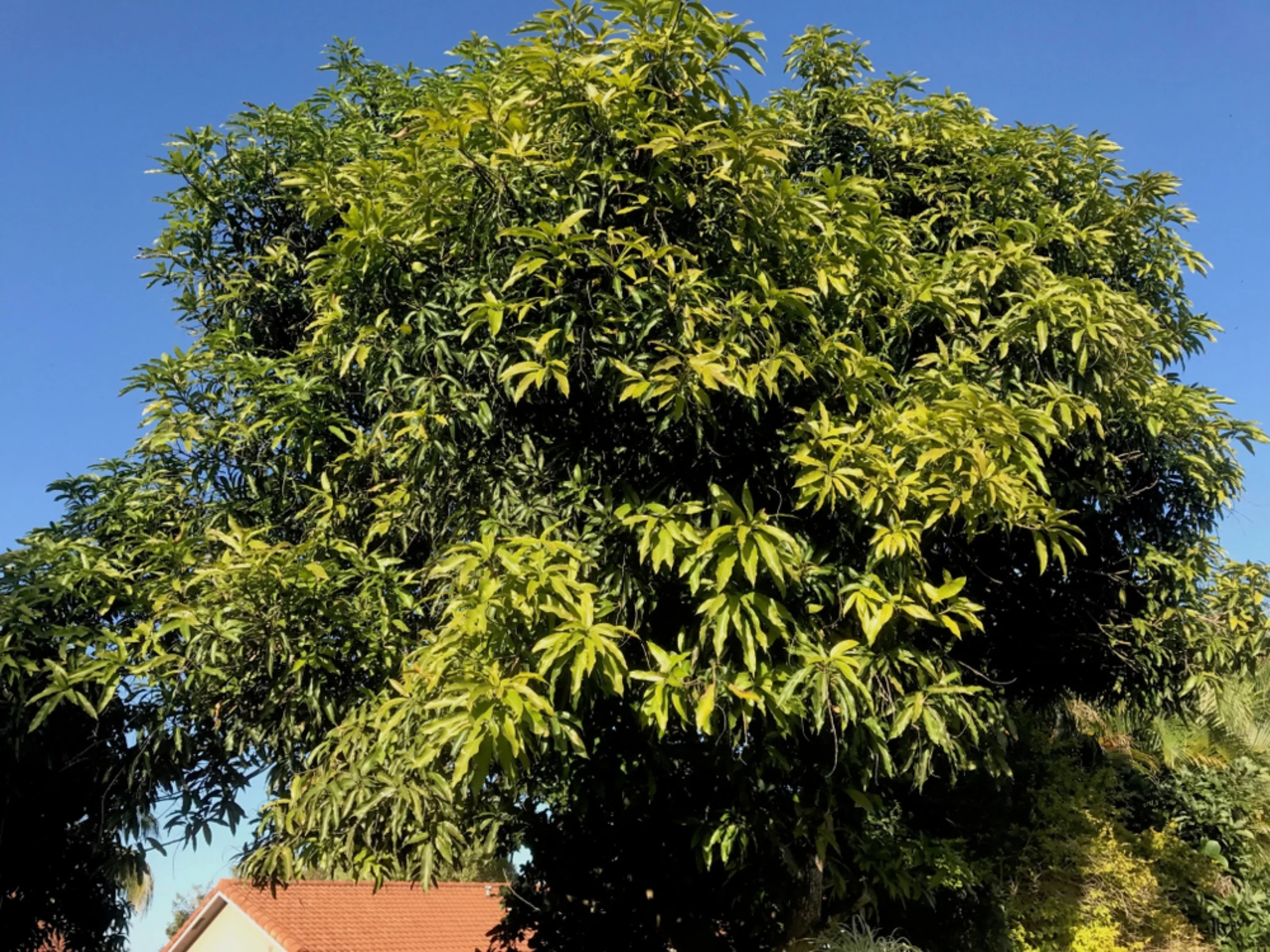
Some trees seem straightforward to take down at first glance yet prove far more complex once work begins. Difficulty often has less to do with the size of the tree and more to do with where it is growing, how it has developed and what surrounds it. Understanding these factors explains why some removals require special equipment, more time and higher cost.
Professional crews assess each tree as a unique project. Structural problems, hidden decay, nearby buildings and even local regulations can all turn a simple removal into a highly technical operation that must be carefully planned to stay safe and compliant.
Where a tree stands is often the biggest factor in removal difficulty. A large tree in an open paddock can usually be felled in one piece. The same tree in a tight suburban backyard behind fences, sheds and power lines may need to be dismantled slowly from the top down.
Restricted access can prevent the use of cranes or large chipper trucks, which means more manual cutting, rigging and carrying of branches and wood. Trees that overhang roofs, driveways or public footpaths usually require controlled lowering with ropes to avoid any dropped timber causing damage. On sloping ground or unstable soil, machinery may be hard to position safely, which adds to the complexity.
Trees that grow close to homes, garages, fences or outbuildings are rarely simple removals. Branches overhanging roofs, gutters and solar panels must be sectioned and guided down in small pieces. Any mistake can lead to broken tiles, smashed glass or structural damage.
Nearby utilities increase the risk further. Power lines, phone lines, water tanks, irrigation systems and underground services such as gas or sewer can all restrict how branches are cut and lowered. Trees entangled with power lines often require coordination with the electricity provider and very specific cutting techniques to prevent electrical hazards or outages.
A tree that is dead, storm-damaged or decayed inside is often more dangerous to remove than a healthy one. Weak or hollow trunks cannot reliably support a climber or rigging points, so the crew must change the method, possibly using elevated work platforms or cranes. Brittle limbs can snap unpredictably under their own weight or when tensioned with ropes.
Species characteristics also play a part. Some species have heavy, dense wood, which puts extra load on rigging systems. Others have multiple trunks, narrow branch unions or sweeping lean, affecting how the tree can be safely dismantled. Very tall or mature specimens require more technical climbing, more cuts and more careful planning to control the direction of each piece as it comes down.
Where a tree stands on a property often dictates how complex and risky its removal will be. Two trees of the same size and species can require completely different approaches if one is growing in an open paddock and the other is squeezed between a house and power lines. Position affects the equipment that can be used, the direction branches can safely fall and even whether the tree must be dismantled piece by piece from the top down.
Understanding how location changes the removal process helps explain why professional assessment is essential before any cutting begins. It also clarifies why quoted prices can differ sharply for trees that appear similar at first glance.
Trees close to homes, sheds, fences, pools or patios leave virtually no margin for error. There is rarely enough space to simply fell the tree in a single cut. Instead, it must often be carefully rigged with ropes and lowered section by section to avoid impact damage.
Branches that overhang roofs or glass structures are especially sensitive. Even a small misjudged limb can break tiles, crack skylights or damage solar panels. Where access allows, cranes or elevated work platforms may be required so that large sections can be controlled precisely during removal. This additional equipment time and planning increase complexity.
Roots are also a concern near structures. Trees positioned besides driveways, retaining walls or underground services may have root systems entwined with foundations or pipes. Cutting or grinding roots requires caution to avoid creating subsidence issues or damaging utilities.
When a tree stands close to public roads, footpaths or neighbouring properties, the work becomes as much about public safety as it is about the tree itself. Falling branches cannot enter a roadway or neighbouring yard, so controlled rigging and traffic or pedestrian management are often needed.
Power and communication lines add another layer of difficulty. Trees growing under or besides aerial lines may require coordination with utility providers to temporarily isolate or protect the lines. Only qualified personnel are permitted to work within specific distances of live services, restricting technique and equipment options.
A position on a boundary line can also limit where debris can be dropped or staged. Limbs may need to be swung or lowered into a very narrow landing zone on one side, which increases the reliance on experienced climbers and precise rigging systems.
A tree located at the rear of a property behind narrow side passages, steps or retaining walls can be far harder to remove than one at the front near the street. Limited access can prevent the use of large machinery like cranes or chippers, which means more manual cutting, carrying and processing.
Steep slopes, uneven ground or fragile landscaping further complicate matters. Workers must maintain secure footing and stable anchor points for climbing while also protecting gardens, lawns and irrigation systems from damage. In tight or sensitive spaces, sections may need to be cut smaller and moved by hand, extending the duration of the job and increasing labour requirements.
Limited access is one of the main reasons a tree removal that looks simple from the street can turn into a complex project. When heavy equipment, vehicles or rigging space is restricted, the job often takes longer, requires more manual work and carries a higher risk if not planned carefully.
Access issues are common in tight back gardens, narrow driveways or built-up suburban areas. Understanding how these constraints affect the method, time frame and cost of tree removal helps set realistic expectations before work begins.
Fences, sheds, extensions and neighbouring properties often block the most efficient route to a tree. Large chipper trucks and cranes typically need generous clearance to operate safely. If a standard access width is not available, the crew may need to:
Each of these adjustments slows the job and increases labour. A mature tree that might be removed in a few hours with machinery at the base can take a full day or longer when every limb must be lowered carefully and walked out through a narrow side gate.
Limited access often determines what equipment can be used rather than what would be ideal. Cranes and large MEWPs often cannot reach a rear garden behind terraced houses or up a steep, narrow drive. Without these machines, climbers must ascend using rope and harness systems and rig each piece out manually.
Where machinery can reach only part of the way, the team may need to set up complex rigging points to swing branches away from structures, then lower them to safe landing zones. This requires careful planning, more ground staff and precise communication.
Chippers may also be forced to stay on the road. Every branch then needs to be dragged or transported from the tree to the chipper, which increases effort, especially on long or sloping plots.
Restricted access raises the stakes for safety. With fewer escape routes and less open space, there is less margin for error. Extra measures become essential,a such as clear exclusion zones, more intricate rigging systems and slower cutting speeds.
Neighbouring properties are often closer in tight-access sites. Gardens share fences, garages sit on boundaries and parked vehicles line narrow streets. Protecting these features can require:
All of this planning adds time before the first cut is made, yet it is necessary to keep people, property and the tree team safe when working in confined spaces.
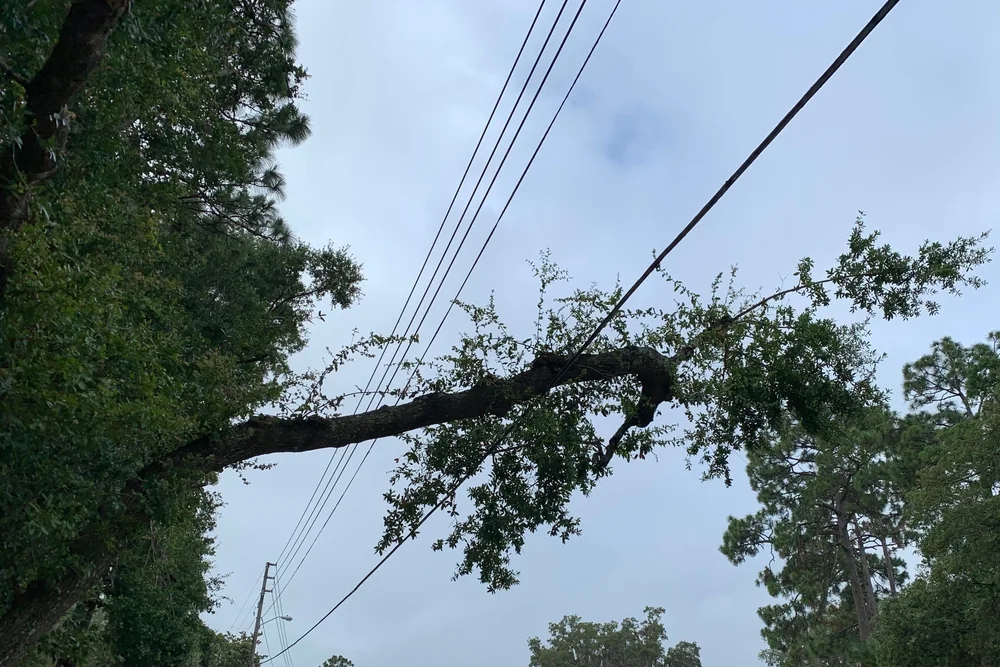
Tree removal becomes more complex when powerlines, uneven terrain and cramped access are involved. These site conditions can quickly turn what appears to be a straightforward job into a high‑risk operation that demands specialised planning, equipment and technique. Understanding how each of these factors increases danger helps explain why professional assessment is essential and why cost and timing can change once a site is inspected.
In many residential areas, trees grow close to overhead services or within narrow urban blocks. These environments restrict where branches and trunks can be directed, reduce escape routes for ground crews and increase the consequences of any error. Safe work requires precise rigging, controlled dismantling and constant coordination with utility providers.
Powerlines introduce the most immediate and serious risk. Contact with live electrical cables can result in electrocution, fires and widespread power outages. Even when branches are not touching lines, they can conduct electricity if they fall too close or if wet foliage bridges the gap.
Special precautions are required when a tree is within the regulated clearance distance of any overhead line. These include a pre‑work site assessment, confirmation of line voltage, establishment of exclusion zones and, in some cases, arranging power shutdowns with the electricity distributor. Climbers and ground crew must use insulated tools where appropriate and avoid any rigging that could swing branches towards conductors.
Often, the tree cannot simply be felled in one piece. Instead, it is dismantled from the top down, with each section lowered in a controlled way using ropes and friction devices. This process is slower than a conventional fall, which is why work near powerlines usually costs more and may require specific permits or notifications.
On a steep or unstable block, gravity works against safe tree removal. Logs and large branches naturally want to move downhill, creating a serious hazard for people, structures and traffic below. Wet soil or loose fill further increases the likelihood of slipping equipment or ground failure around root zones.
Safe work on a slope usually calls for smaller cuts so each piece can be managed without uncontrolled rolling. Rigging systems may be anchored to other trees or engineered points to lower sections vertically instead of letting them fall or slide down the hill. Machinery access may be limited, meaning more manual handling and rope work.
Confined spaces such as narrow side passages, small courtyards and properties packed closely together remove the option of letting branches fall freely. Nearby fences, roofs, sheds, garden features and neighbouring properties must all be protected from impact.
In these environments, trees are often dismantled in very small sections, with each piece either lowered by rope or passed hand to hand. Space to position wood chippers, cranes or elevated work platforms may be limited, extending the time on site. Traffic management might also be required if timber needs to be staged on the street before removal.
Tight spaces also restrict safe retreat paths for workers during cutting operations. This increases the importance of clear communication, hazard spotting and methodical sequencing of each cut so that no one is forced to stand beneath or besides moving timber with no clear exit route.
Planning a difficult tree removal is as important as the cutting itself. When a tree is close to a house, tangled in power lines or structurally compromised, a methodical plan protects people, property and surrounding vegetation. Professional arborists spend more time assessing and preparing than many property owners ever see.
Every challenging removal starts with identifying the risks and deciding how to control them. The plan will dictate whether the tree can be felled in one piece or must be dismantled in small sections, what equipment is required and how each cut will be made and lowered to the ground.
The first step is a detailed inspection of both the tree and the surrounding site. Arborists look at the tree’s species, overall height, trunk diameter and crown spread because these determine the weight and behaviour of branches and logs as they are cut. Structural issues such as decay pockets, dead tops, cracks and previous storm damage are identified because they affect how safely the tree can be climbed or rigged.
The site is then evaluated for targets and obstacles. Roofs, fences, sheds, driveways, neighbouring properties, gardens and outdoor living areas are mapped as potential impact zones. Overhead utilities, service lines, septic systems and underground services are considered, so heavy equipment does not cause secondary damage. Ground slope, soil condition and access for vehicles or cranes are also assessed.
The arborist selects a removal strategy once the risk picture is clear. Where there is sufficient clear space and no utilities, a controlled felling from the base may be possible. In built environments, this is rarely the case. Most difficult removals involve sectional dismantling, where the tree is climbed or accessed with an elevated work platform and removed piece by piece.
If the tree leans over buildings or is unstable, the plan may call for:
Equipment needs are then matched to the plan. This includes the size and type of chainsaws, rigging ropes with appropriate load ratings, lowering devices, ground mats to protect lawns and personal protective gear. Traffic and pedestrian control may also be planned where work is near a road or public area.
The detailed plan goes down to the order of cuts and how each section will be moved. Arborists decide which limbs are removed first to reduce weight and correct the centre of balance before tackling the trunk. Tie‑in points for climbers and anchor points for rigging lines are chosen specifically to avoid overloading any single part of the tree.
For each major piece, the arborist specifies where rigging lines will be attached, what type of cut will be used and where the piece will land or be lowered. Escape routes for the climber and safe zones for the ground crew are established in advance, so no one stands under suspended loads.
Ground operations are planned to keep the site organised. The brush is moved to a designated chipping area, logs are moved to a staging area for processing or removal and debris paths are kept clear of hazards. In tight suburban spaces, careful planning of cleanup and material handling can be the difference between a routine job and damage to lawns, paving or neighbouring properties.
Tree removal is rarely as simple as it appears from ground level when different factors intersect. What may seem like a routine task often requires detailed planning, controlled dismantling and a thorough understanding of tree structure and site risks. Hidden decay, environmental conditions and the need to protect surrounding property further reinforce the importance of a measured and technical approach. Recognising the complexity of challenging removals highlights the value of engaging qualified professionals who prioritise safety, efficiency and long-term property protection.