

BUSINESS HOURS
Mon - Sun: 6am to 6pm
24/7 Emergency Work
Mon - Sun: 6am to 6pm
24/7 Emergency Work
SERVICE AREA
40km around Logan QLD
40km around Logan QLD
A tree may be gone, but its old planting spot is not necessarily ready for a replacement. Whether the goal is to restore shade, improve privacy or create a new focal point in the garden, planning the next tree before arranging stump removal can avoid unnecessary work and planting difficulties.
For Logan homeowners, successful replanting depends on the condition of the former stump site, the preparation for the removal work and the space available for future growth. Batchelor & Sons Tree Services discusses their stump removal requirements before deciding how to prepare the area for a replacement tree.
Planting a new tree where an old one stood is sometimes possible, but it depends on the ground’s condition and the replacement’s requirements. The site needs suitable soil, adequate drainage and enough unobstructed space for the new root ball and developing roots.
A nearby position may offer better growing conditions while preserving the shade or screening the original tree provided. Comparing different options before stump removal helps homeowners plan the work around their intended use of the garden.
Removing the visible stump does not necessarily leave a planting area ready for a new tree. Depending on the removal method and the extent of the work, woody material may remain beneath or around the former stump. The surrounding ground may also contain wood chips, disturbed soil or a depression that needs further preparation.
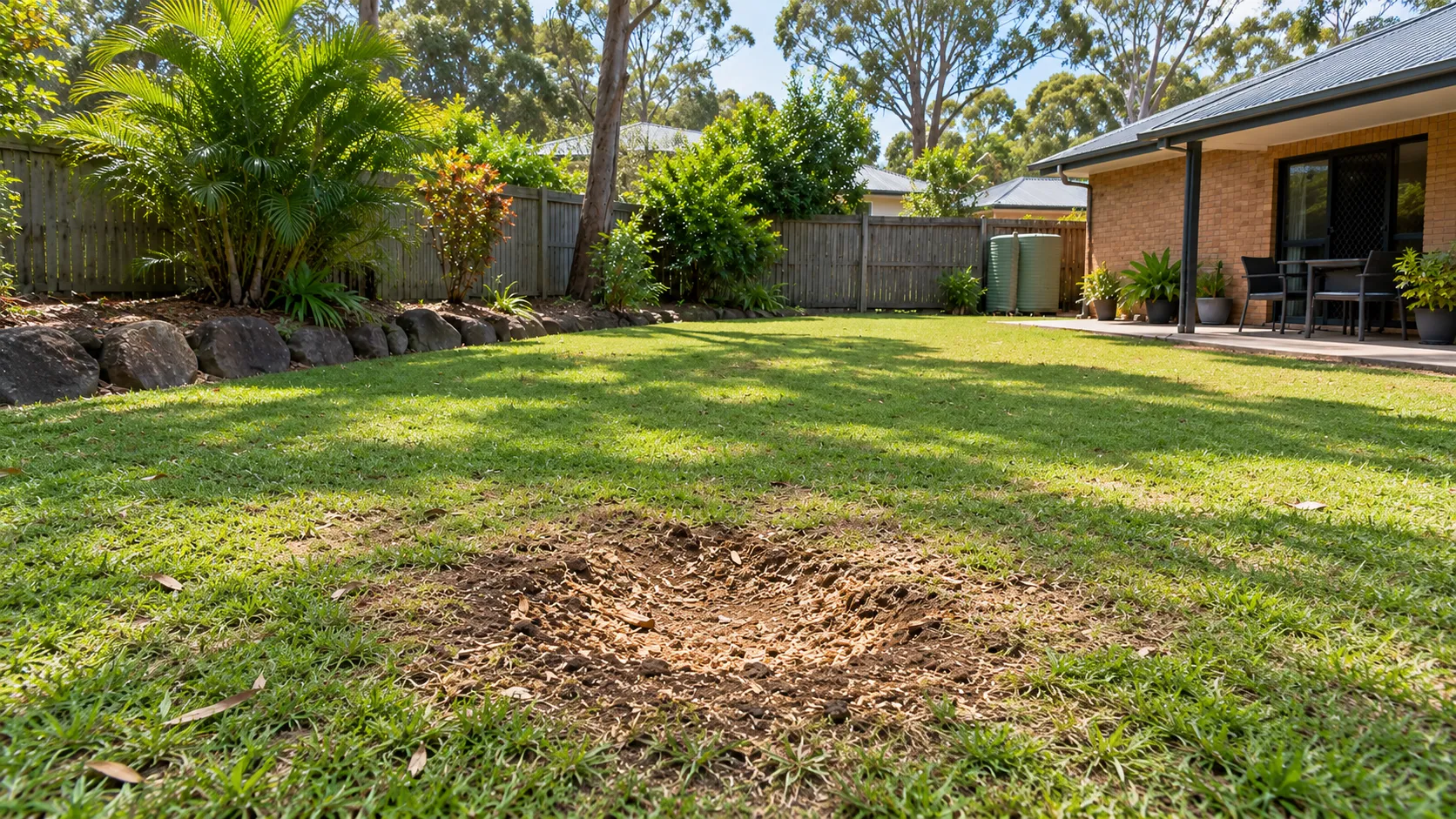
A replacement needs more than a hole large enough to hold its root ball. Its roots must be able to establish in the surrounding soil, which should provide suitable drainage and growing conditions. A surface that looks level may still conceal compacted ground, uneven fill or decomposing material.
Before booking the work, explain that the area may be used for replanting. Ask what condition the site will be left in, whether debris removal is included and whether additional soil preparation will be needed. These common questions about tree stump removal can prepare homeowners for the conversation.
Moving the replacement a short distance may reduce the preparation needed at the former stump site. It can also provide an opportunity to correct an existing layout problem, such as a tree growing too close to a path, fence or building.
There is no universal distance from an old stump that makes a new planting position suitable. The size of the former tree, the extent of the remaining woody material, the soil’s condition and the replacement's root ball all influence the decision.
Assess the alternative position for drainage, sunlight, available soil and future canopy growth. A nearby section of lawn may be more suitable, but it should not be assumed to be ready without checking the conditions below ground.
The reason for removing the original tree influences the choice of replacement and its location. If the tree declined because of suspected disease, persistent waterlogging or unsuitable growing conditions, planting another tree in the same position without investigating the cause may lead to similar problems.
Stump removal does not automatically resolve these issues. Before selecting a replacement, consider any changes in the tree's health, the condition of the surrounding ground and whether water regularly pools in the area.
Where the cause of decline is uncertain or disease is suspected, seek advice from a tree professional. Sharing observations about the original tree identifies whether the site needs further assessment before replanting.
Discuss the intended use of the area with the contractor before booking stump removal. Knowing that a new tree is planned clarifies the expected finish, access requirements and whether the proposed work will leave the ground suitable for further preparation.
When comparing options for stump removal in Logan, explain to experts if the replacement will occupy the original position or a nearby area. Stump removal, additional soil preparation and tree planting should be treated as separate tasks unless the agreed scope specifically includes them.
The space required for planting depends partly on the replacement’s size. A small sapling may need less immediate room than a larger nursery-grown tree with an established root ball.
Even if the species has not been chosen, identify the preferred planting position and provide an estimate of the tree's intended size. Ask if the proposed stump work will leave enough unobstructed space for that plan and clarify any limitations.
Removing a stump below lawn level does not necessarily mean the area has been prepared for a substantial root ball. The final condition depends on the extent of grinding, the surrounding ground and any additional excavation or soil work included in the job.
Access should also be discussed before work begins. Fences, narrow passages, garden beds and paved surfaces may affect machinery access and the amount of disturbance around the stump. Confirm which areas need protection and leave excavation and machinery operation to professionals.
Clarify what will remain when the stump removal work is finished. Depending on the agreed scope, the site may contain wood chips, disturbed soil or a hollow that requires further preparation. Ask if debris removal is included and who will arrange any additional soil work.
A large concentration of fresh wood chips is not a substitute for suitable planting soil. As woody material decomposes, the ground can change in volume and condition, affecting the level and stability of the planting area. Simply filling a depression with additional soil may not resolve the underlying problem.
Where preparation is needed, the next steps may include removing excess woody material, assessing the existing soil, adding suitable topsoil or addressing drainage issues. The right approach depends on the site's condition, so don't assume every stump site needs the same treatment.
For more context on the work involved after grinding, read about stump grinding and wood disposal. When comparing quotes, check the described finish, debris disposal arrangements and any exclusions rather than comparing prices based only on whether the visible stump will be removed.
There is no universal waiting period that applies to every stump site. A nearby position with suitable soil may be ready sooner than the original planting area, while a site containing substantial woody material, unsettled fill or drainage problems may need additional preparation.
Readiness depends on the condition of the proposed planting position rather than simply the number of days since stump removal. Before planting, check that the root ball can fit without obstruction, the surrounding soil is suitable, drainage is adequate and any required site preparation has been completed.
Coordinate the purchase or delivery of the replacement tree with these checks. This helps prevent a situation where a tree is ready for planting but its intended position still needs work. If the ground continues to settle or water regularly collects in the area, have the issue assessed before proceeding.
A replacement tree should suit the garden it will eventually occupy, not just the space available when it is planted. Mature height, canopy spread, root development and nearby structures all influence where a tree should grow.
Removing an established tree also creates an opportunity to reconsider how the space will be used. A different species or a slightly adjusted planting position may provide the desired shade or privacy without repeating the problems associated with the original tree.
A young tree can look manageable in a nursery container while becoming too large for the garden. Before choosing a replacement, check its expected mature height and canopy spread, taking the size of the property and nearby structures into account.
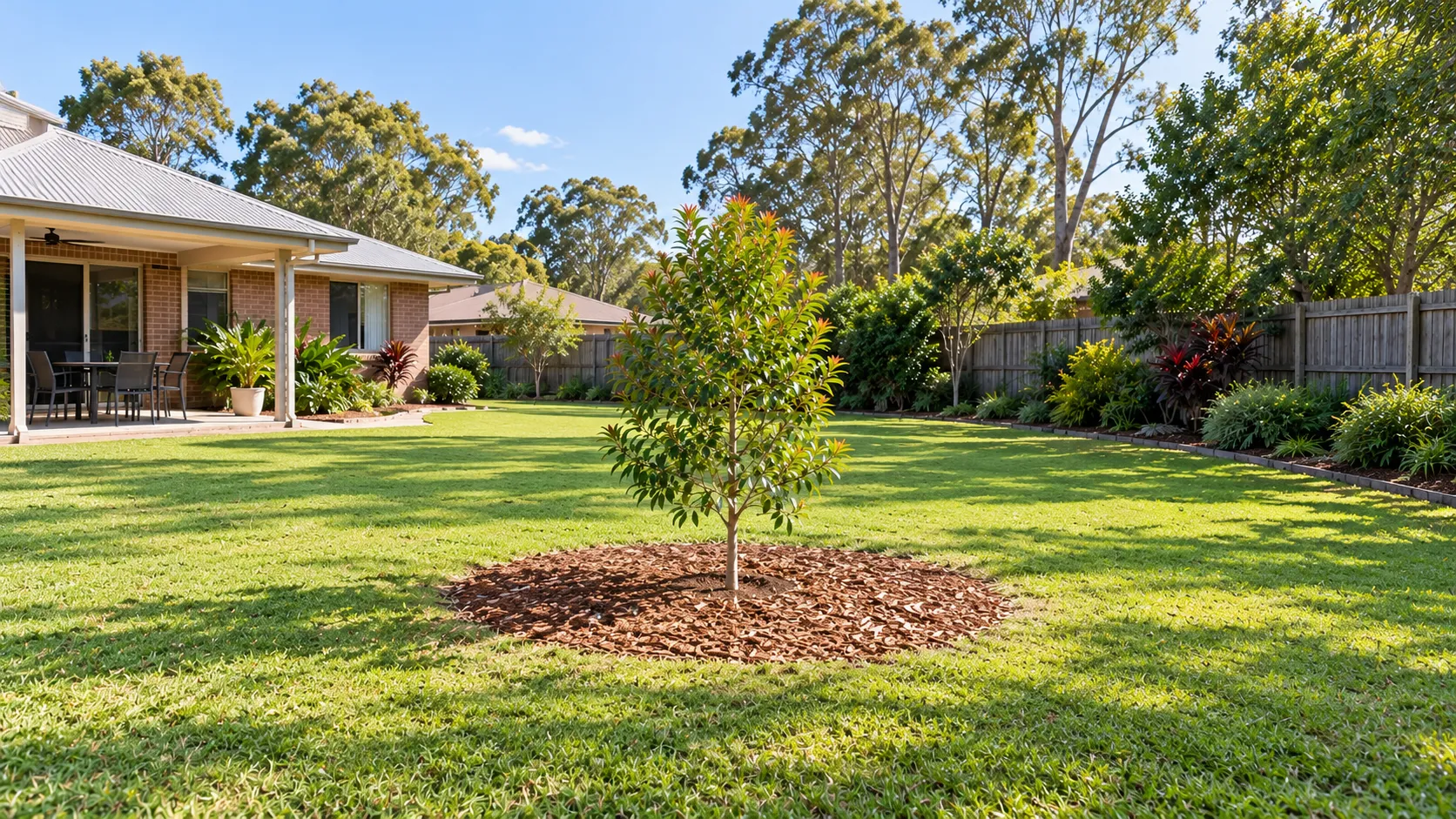
Consider where the canopy may extend, how the shade will move throughout the day and whether branches could interfere with roofs, paths or neighbouring vegetation. Mature dimensions are estimates rather than exact boundaries, as growth varies with the species and local conditions.
If the previous tree required frequent pruning to keep it within the available space, consider a replacement with a more suitable mature size. Explain the intended outcome to a tree professional, including where shade is desirable and which areas need to remain open.
Check the surroundings above and below the proposed planting position before deciding where the new tree will go. Buildings, fences, paved areas and overhead electrical lines may constrain future growth, while underground services can affect where planting and excavation are appropriate.
Suitable clearances depend on the tree's expected growth, the type of nearby structure or service and the layout of the property. Avoid relying on a single setback distance for every species or situation. Where space is limited, seek site-specific advice before finalising the position.
The fact that the original tree stood in a specific location for many years does not guarantee that the position is suitable for its replacement. Its removal may reveal conflicts that were previously difficult to address.
Before any excavation, check for underground services through Before You Dig Australia and arrange further locating where required to confirm their position. Planting near overhead electrical lines also requires careful consideration of mature tree height and appropriate clearances.
Logan's warm climate and periods of heavy rainfall make local growing conditions important when selecting a replacement tree. However, conditions can vary between properties. One part of a garden may receive strong afternoon sun, while another remains shaded by the house or nearby vegetation. Soil may drain freely in one area and remain wet in another.
Removing a large tree can also change the environment around the former planting position. An area that was previously sheltered may receive more direct sunlight or wind, affecting the conditions a replacement needs to tolerate. Assess the site after removal rather than assuming it will remain the same.
Consider the soil, drainage, available sunlight and mature size of potential replacements together. A tree suited to the climate may still struggle if the garden does not provide appropriate growing conditions or enough room for its roots and canopy. The Queensland Government’s guidance on waterwise gardening provides further advice on choosing plants suited to local soil and climate conditions.
If water regularly pools at the proposed position, investigate the cause before planting. Where soil conditions are uncertain, obtain useful advice before making substantial changes to the ground or selecting a species that may not tolerate the site.
Replanting after stump removal starts with understanding what the former planting area can support. Checking the ground, discussing the intended finish with the contractor and allowing for the replacement's mature size reduce unnecessary preparation and prevent future problems.
Batchelor & Sons Tree Services can discuss stump removal requirements and help clarify what to consider before the work begins. Planning makes it easier to coordinate stump removal with any additional site preparation needed to establish a healthy new tree.